
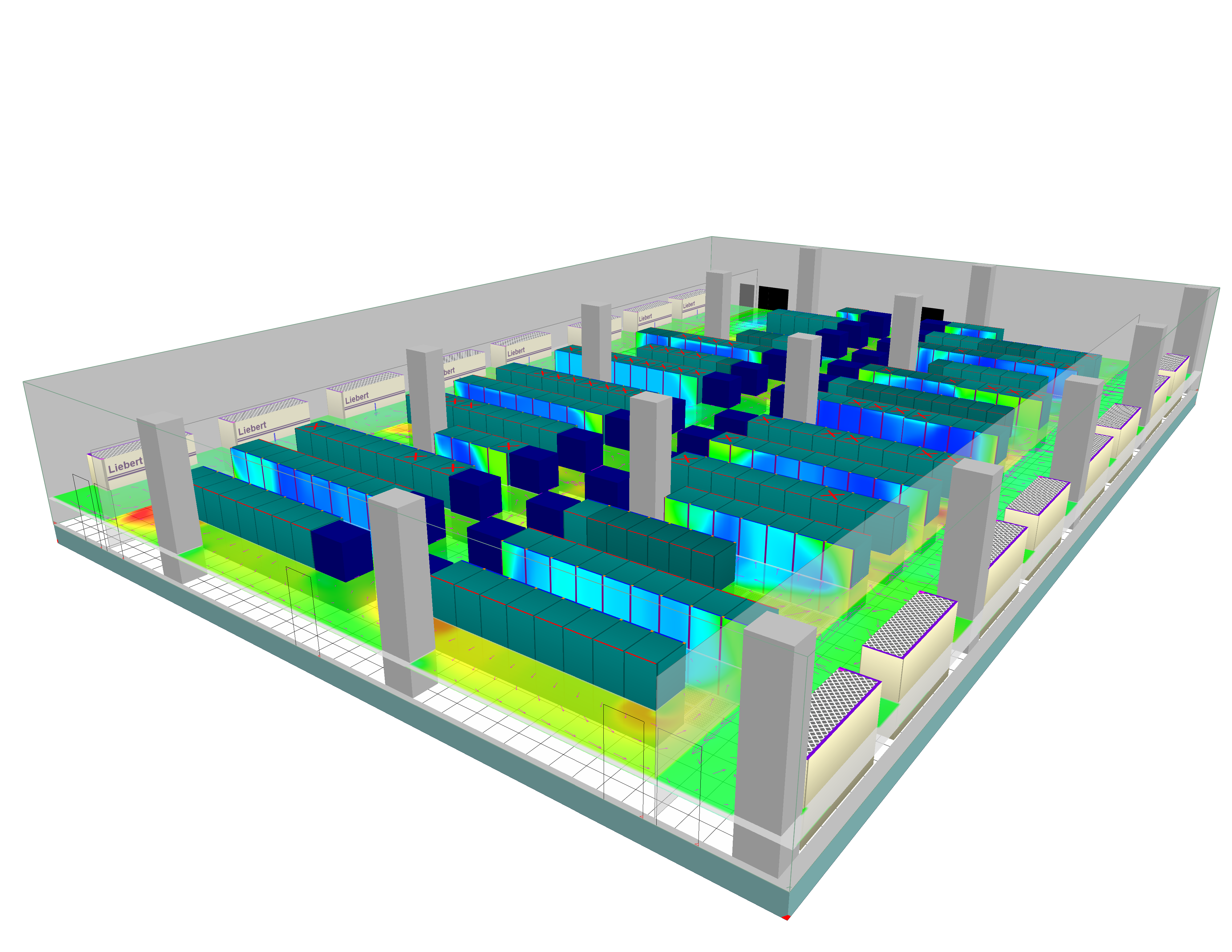
Corporate Training for AI Data Center Infrastructure
Train your team to design and operate AI-ready data centers.
Brown Engineering Group provides corporate training for engineering teams building and operating AI data center infrastructure. Sessions are focused on cooling, power, liquid cooling, and system-level behavior under high-density AI workloads.
Built for developers, operators, consultants, and vendor teams that need stronger technical alignment as AI deployments push rack density, thermal complexity, and infrastructure risk higher.
AI workloads
High-density cooling
Liquid cooling
Infrastructure training
Team Capability
Build internal understanding across cooling, power, and AI infrastructure decisions.
AI Readiness
Prepare teams for high-density deployments, liquid cooling adoption, and new design tradeoffs.
Practical Delivery
Live, tailored sessions grounded in real project challenges and actual infrastructure decisions.
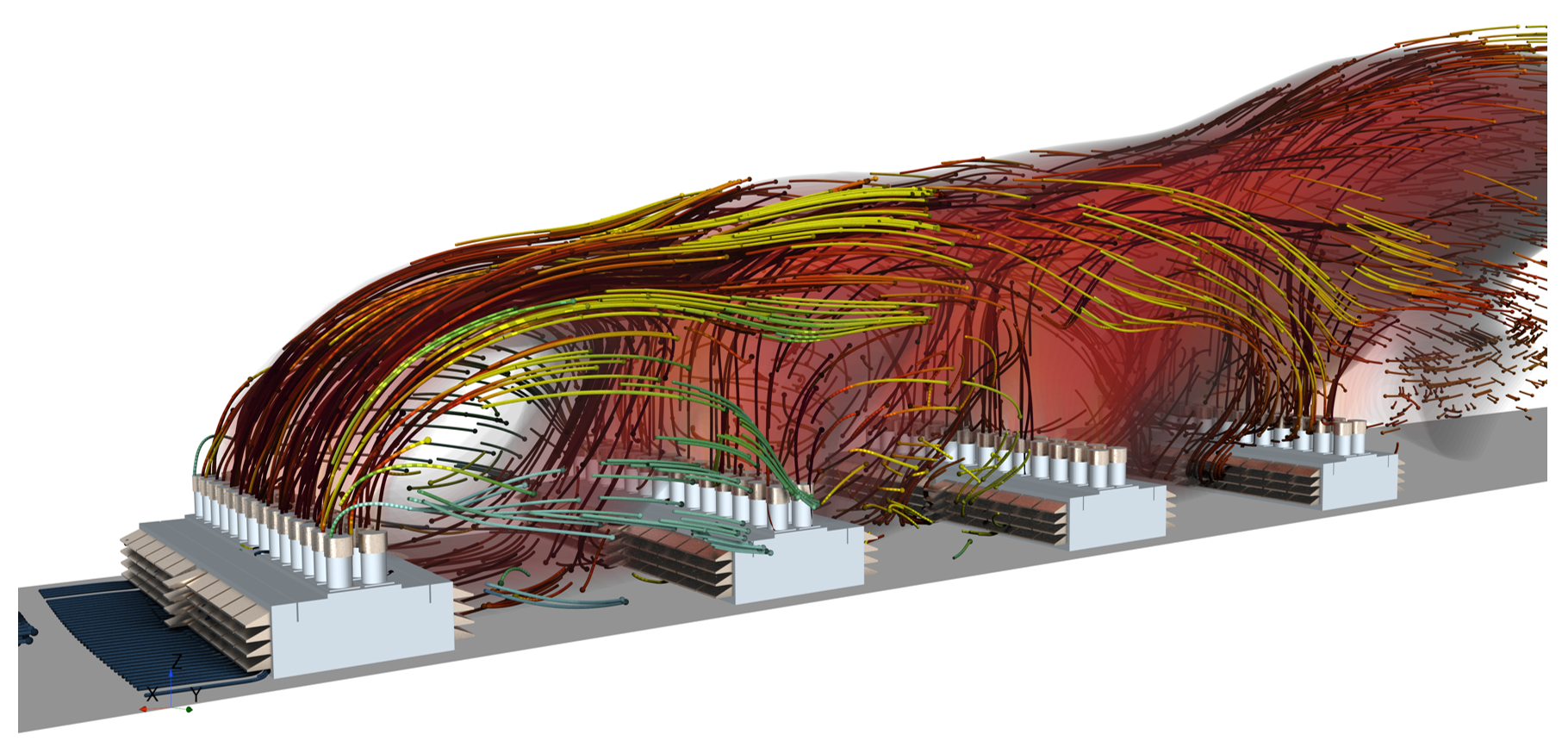
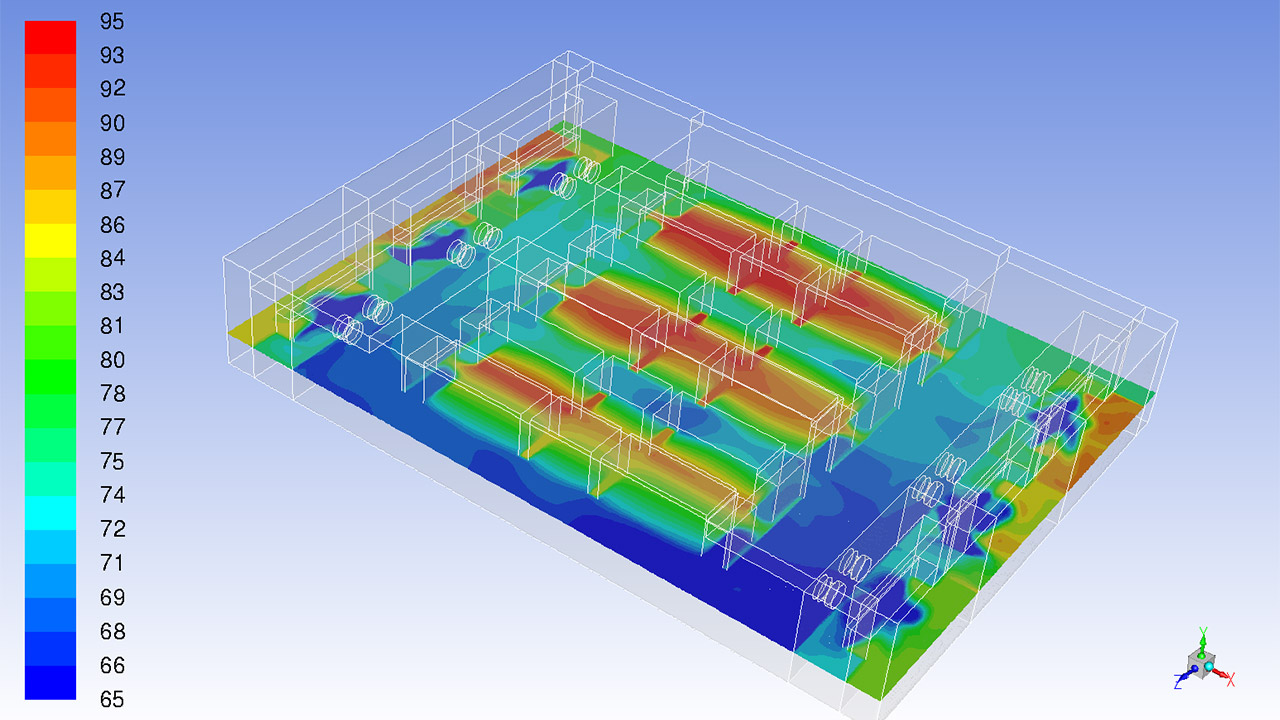
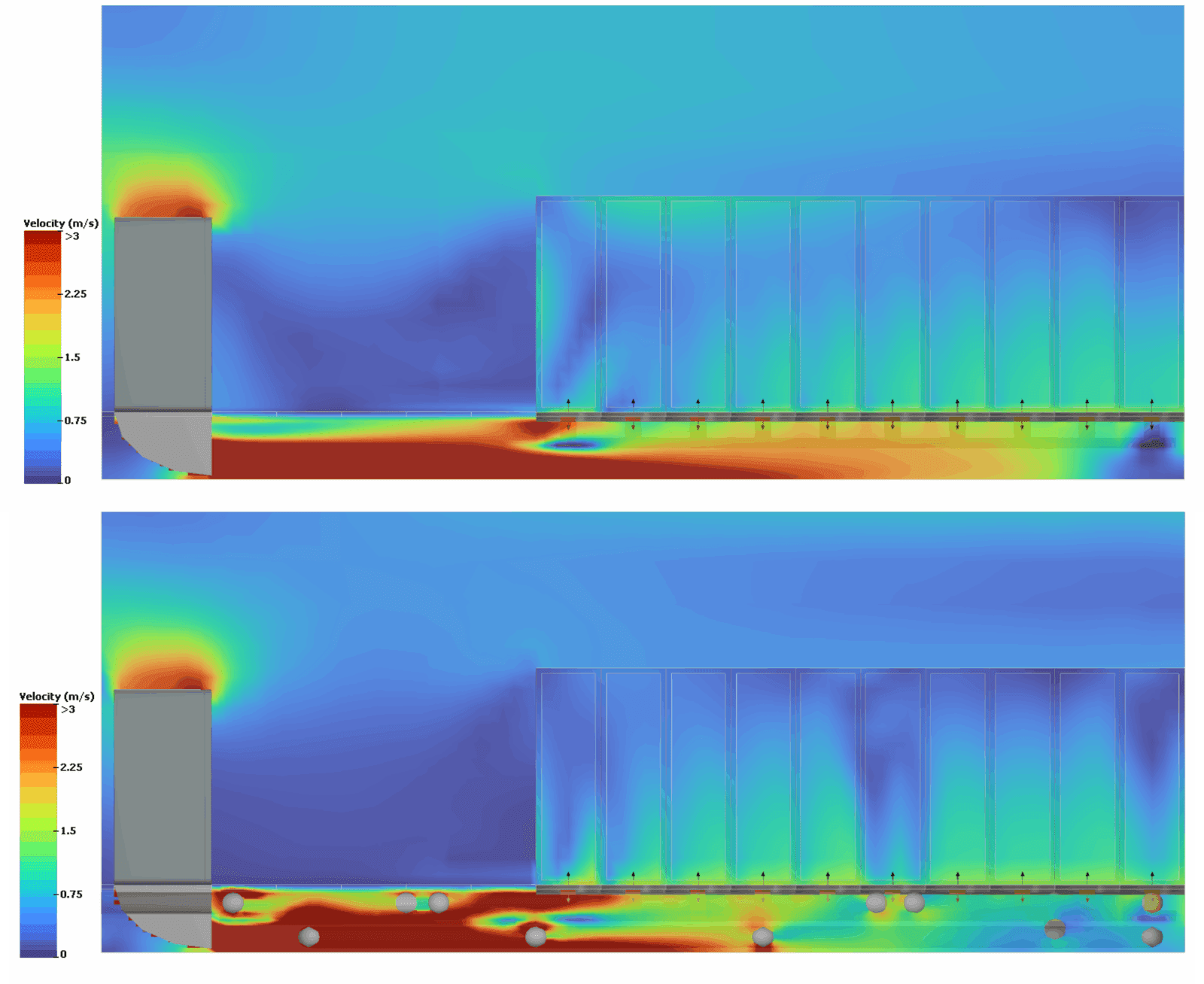
Training Programs
Programs built for teams working on AI data center infrastructure.
This offering is designed as corporate training, not one-off consulting. The goal is to help engineering teams, operators, and infrastructure stakeholders make better decisions as AI systems drive higher densities, more aggressive cooling requirements, and greater design complexity.
01
AI Data Center Fundamentals
How AI infrastructure differs from traditional deployments, including rack density, cooling implications, power impacts, and system-level design priorities.
02
High-Density Cooling Strategy
Air cooling limits, liquid cooling fundamentals, CDUs, secondary loops, facility water interfaces, hybrid strategies, and practical deployment considerations.
03
Power, Redundancy & Load Behavior
AI load behavior, ramp rates, plant response, redundancy philosophy, operational risk, and infrastructure planning under evolving compute demands.
04
Design Review Frameworks
How to evaluate proposed designs, identify weak assumptions, compare options, and improve technical decision-making across teams and stakeholders.
Delivery Format
Live training tailored to your team and your infrastructure questions.
Sessions can be delivered virtually or on-site and are built around the level of your team, your project stage, and the specific AI infrastructure topics that matter most to you.
- Live virtual or on-site team sessions
- Custom content shaped around your current projects
- Technical depth for engineering and infrastructure teams
- Q&A based on real design and operations questions
- Executive-friendly framing where stakeholder alignment matters
Typical Topics
Focused on the issues teams face as AI infrastructure scales.
- What changes when data centers are designed for AI systems
- Cooling strategy choices at higher rack densities
- When and how liquid cooling becomes necessary
- CDUs, facility loops, thermal buffering, and integration questions
- How power and cooling interact under AI load profiles
- Common design mistakes and failure points in high-density environments
Who It's For
Best fit for teams preparing for AI deployment, density growth, or liquid cooling adoption.
This training is especially useful for organizations moving quickly into AI infrastructure and needing stronger internal understanding across technical teams.
Data center developers
For teams evaluating how AI demand changes design standards, cooling architecture, plant strategy, and deployment assumptions.
Operators and colocation providers
For organizations adding higher-density capacity, planning for liquid cooling, or aligning operations teams around new infrastructure realities.
Engineering consultants
For design teams that want a clearer framework for reviewing AI-focused cooling and power strategies across client projects.
OEM and vendor teams
For technical sales, applications, and solution teams that need stronger infrastructure fluency when supporting AI deployments.
What Teams Gain
More than information — clearer infrastructure decision-making.
- Stronger shared understanding across engineering teams
- Better evaluation of AI infrastructure design options
- Improved readiness for higher densities and liquid cooling
- More confidence discussing cooling and power tradeoffs internally
- Less dependence on fragmented or vendor-led explanations
Format Options
Flexible programs for different stages and team needs.
- Single-session executive or engineering briefings
- Half-day or full-day corporate workshops
- Multi-session internal training series
- AI infrastructure onboarding for new teams
- Custom sessions built around active project questions
Engagement Process
A straightforward process for building the right training engagement.
The format is simple: understand your team, tailor the material, deliver the session, and make sure it is directly useful to your current infrastructure work.
1
Align
Identify the audience, team level, infrastructure focus, and the decisions or knowledge gaps the training should address.
2
Customize
Tailor the session to your projects, deployment roadmap, and the specific AI infrastructure topics most relevant to your team.
3
Deliver
Run a live virtual or on-site training session with practical examples, technical walkthroughs, and discussion tailored to your audience.
4
Apply
Use Q&A, internal follow-up, and project-specific discussion to help the training translate into better design and infrastructure decisions.
Why This Matters
AI infrastructure raises the bar for technical alignment across teams.
As AI deployments push beyond traditional assumptions, many organizations need a faster way to build internal understanding without relying only on piecemeal vendor input or trial-and-error learning.
Reduce design risk
Help teams spot weak assumptions in cooling, power, and deployment strategy before those issues become expensive in execution.
Improve stakeholder alignment
Create a clearer shared language across engineering, operations, leadership, and vendor-facing teams.
Prepare for liquid cooling transition
Give teams a practical grounding in the concepts, interfaces, and deployment implications that come with liquid cooling adoption.
Build internal capability
Strengthen your team’s ability to make infrastructure decisions confidently as AI requirements continue to evolve.
Best Fit Engagements
Ideal for teams preparing for AI growth, higher rack densities, liquid cooling adoption, or broader infrastructure change.
Whether your team needs an internal workshop, a structured training series, or a focused session tied to active projects, the goal is the same: stronger technical understanding and better infrastructure decisions.
AI deployment preparation
Help teams understand what changes when planning infrastructure for AI systems.
High-density cooling education
Build confidence around airflow limits, liquid cooling, and thermal design implications.
Cross-functional team alignment
Give engineering, operations, and leadership a clearer shared framework for decisions.
Developers
Operators
Consultants
Colocation teams
Vendor teams
AI infrastructure groups
Get In Touch
Tell me about your team and training needs.
Share your organization type, current infrastructure focus, AI deployment stage, and the topics your team needs help understanding. The more context you provide, the more tailored the conversation can be.
Best-fit inquiries
AI infrastructure training, high-density cooling workshops, liquid cooling fundamentals, engineering team education, and custom internal training sessions.
AI infrastructure training, high-density cooling workshops, liquid cooling fundamentals, engineering team education, and custom internal training sessions.
Typical audiences
Developers, operators, consultants, colocation providers, OEM teams, technical sales teams, and internal engineering groups.
Developers, operators, consultants, colocation providers, OEM teams, technical sales teams, and internal engineering groups.
Helpful context
Team size, deployment stage, cooling approach, rack density goals, current challenges, and whether the session is virtual or on-site.
Team size, deployment stage, cooling approach, rack density goals, current challenges, and whether the session is virtual or on-site.